Editorial Picks
Seoul's defining photography locations
Ten verified panoramic and signature photo spots citywide — observation towers, palace grounds, hanok rooftops, fortress trails, and the Han River — with hours, admission, and editorial reading of each location for international visitors.
International visitors arriving in Seoul for the first time bring photography expectations calibrated from Tokyo, Hong Kong, or New York that read imperfectly against the Korean cityscape. Seoul does not present itself in the way that Manhattan does — there is no single skyline canyon — and it does not present in the way that Tokyo does either, because the city sits ringed by granite mountains that pull the eye upward at the end of every avenue. The editorial board's working orientation for visitors is that the strongest Seoul photographs come from three structural axes: the elevated observation tier (N Seoul Tower, Lotte World Tower Seoul Sky, 63 Building, Bukak Skyway, Naksan Park, Inwangsan), the heritage-architecture tier (Gyeongbokgung, Changdeokgung, Bukchon Hanok Village), and the Han River tier (Banpo Hangang Park and its sister parks on both banks). The ten locations below are the editorial board's verified shortlist across those three axes, cross-checked against the VisitKorea English directory and against the Seoul Metropolitan Government visitor portal at the time of publication. We list them alphabetically as Featured A through J rather than in any numerical ranking — the spots cover meaningfully different photographic registers, and the right choice depends on what the visit is for. What follows is the verified ten, with hours, admission, language coverage, and the editorial reading of how each location actually presents to a destination visitor planning a Seoul photography itinerary.
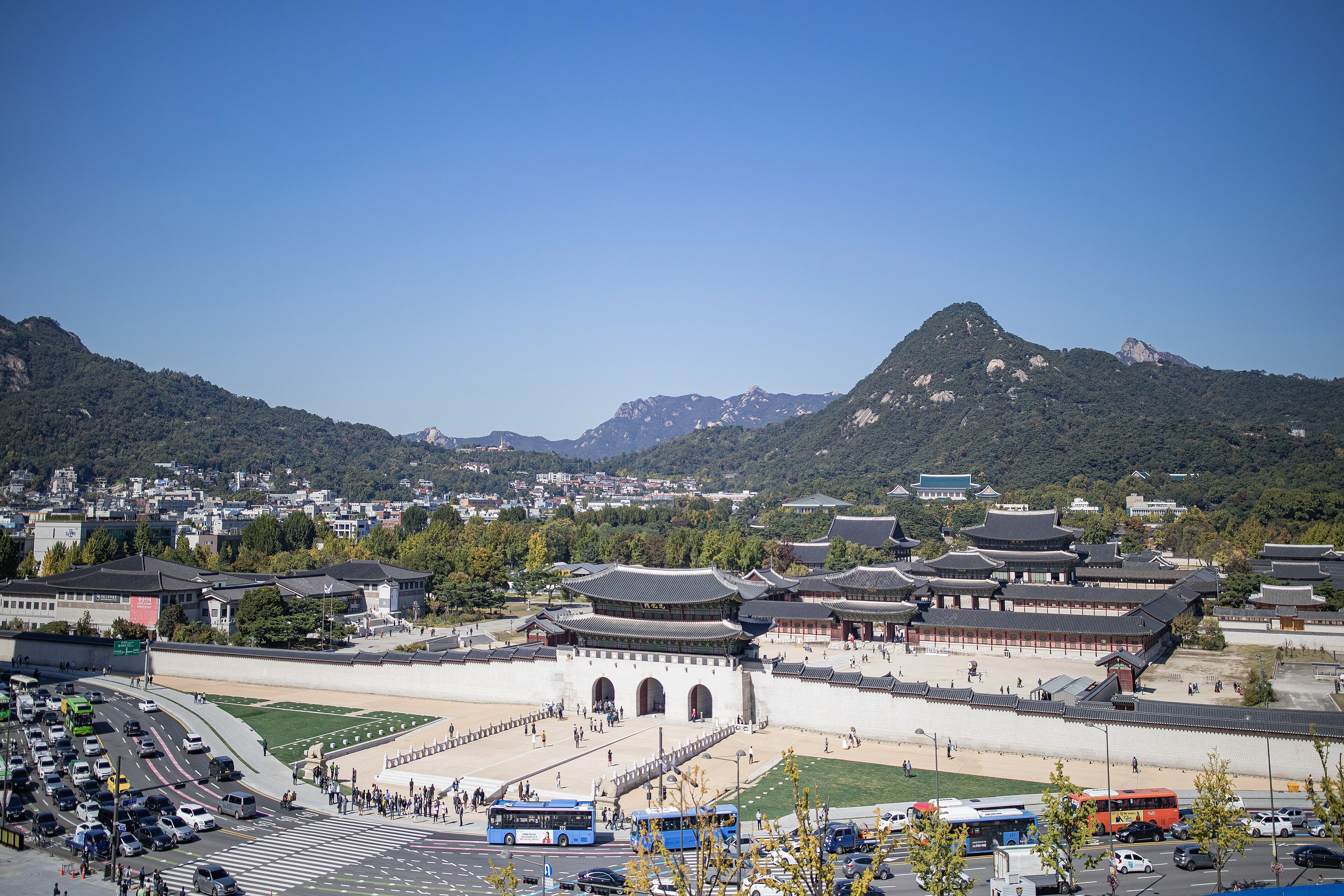
Featured A — Gyeongbokgung Palace
Gyeongbokgung Palace is the largest of the Joseon Dynasty's five Seoul palaces, founded in 1395 and rebuilt in the late 19th century after the 1592 Japanese invasion, and it remains the symbolic main palace of Korea. The compound sits in Jongno-gu at 161 Sajik-ro, directly behind the Gwanghwamun gate that faces south down Sejong-daero toward Seoul City Hall. Hours run 09:00 to 18:00 from March through May and September through October, 09:00 to 18:30 from June through August, and 09:00 to 17:00 from November through February; the palace is closed Tuesdays. Admission is KRW 3,000 for adults, and entry is free for visitors wearing rented hanbok — the traditional Korean dress — from any of the hanbok rental shops in nearby Bukchon and Insa-dong. The photographic register at Gyeongbokgung is twofold. The first is the changing-of-the-guards ceremony at the Gwanghwamun gate, held at 10:00 and 14:00 daily (weather permitting), which presents a costumed reenactment in front of the gate's red-and-blue gate-guard architecture. The second is the inner compound's main throne hall Geunjeongjeon, the palace pond Gyeonghoeru, and the rear-area pavilion Hyangwonjeong, each of which presents distinct photographic compositions depending on light and season. Language support runs full Korean, English, Japanese, and Chinese on the printed materials and on free scheduled guided tours. The palace pairs naturally with Bukchon Hanok Village, Changdeokgung, and Insa-dong on a single Jongno-gu morning. Visitors photographing the guard ceremony should arrive at least fifteen minutes before the published time.
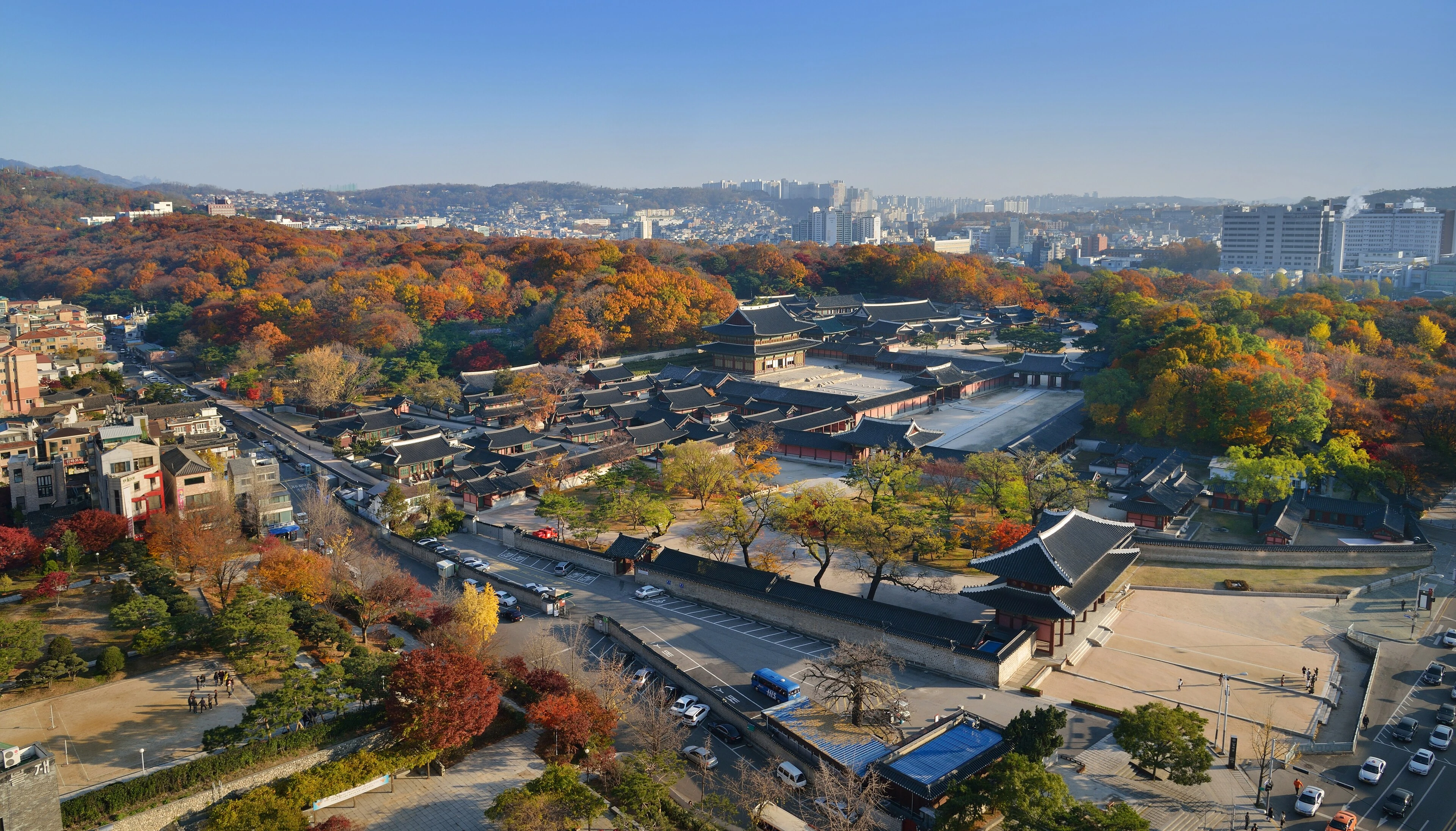
Featured B — Changdeokgung Palace
Changdeokgung Palace is the only one of Seoul's five Joseon-era royal palaces inscribed on the UNESCO World Heritage list, registered in 1997 for the integrity of its palace architecture and the layout of its rear garden, the Huwon. The compound sits in Jongno-gu at 99 Yulgok-ro, immediately east of Gyeongbokgung, and the two palaces pair naturally on a single morning. Hours run 09:00 to 18:00 from February through May and September through October, with shorter hours in winter; the palace is closed Mondays. Admission is KRW 3,000 for the main palace area plus KRW 5,000 for the Huwon rear garden, which is accessible only by scheduled guided tour in Korean, English, Japanese, or Chinese — the tour times and language assignments are posted on the palace's English-language website and should be confirmed at the ticket window on the day of the visit. The photographic register at Changdeokgung is quieter and more refined than at Gyeongbokgung. The main palace area presents the throne hall Injeongjeon and the surrounding compound, but the Huwon is the visit's centrepiece: a heavily-wooded rear garden centred on three pavilion-and-pond compositions (Buyongjeong, Aeryeonjeong, and Ongnyucheon) that present at their strongest in late spring, in autumn foliage, and in early winter snow. The Huwon tour runs approximately ninety minutes; the timing window for autumn maple foliage is typically the last week of October through the first ten days of November. Photography is permitted throughout the palace; tripods are restricted in the Huwon during scheduled tours.
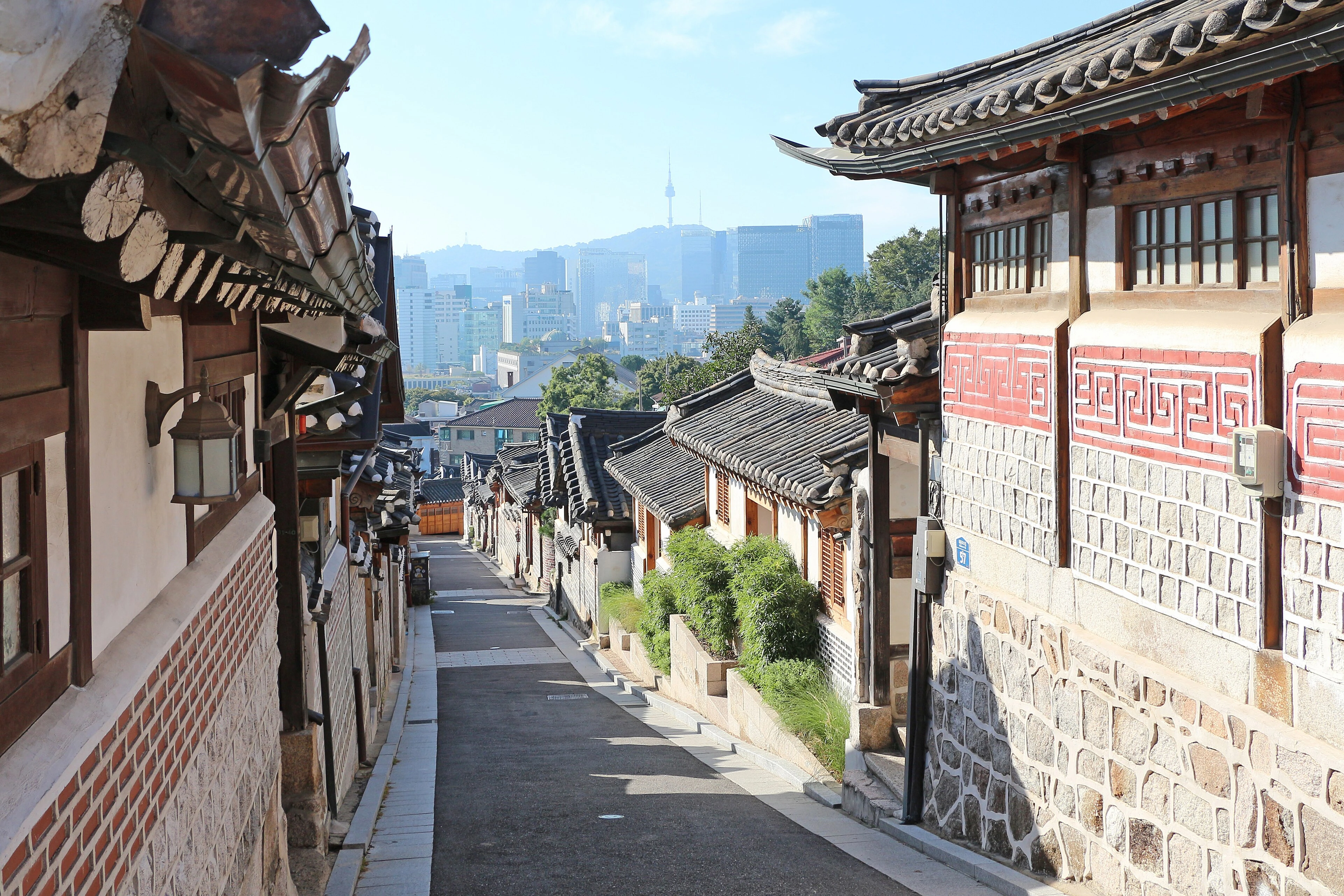
Featured C — Bukchon Hanok Village
Bukchon Hanok Village is the most photographed historic neighbourhood in Seoul, a working residential area of approximately nine hundred preserved hanok — traditional Korean wooden courtyard houses — wedged between Gyeongbokgung Palace to the west and Changdeokgung Palace to the east, in Jongno-gu. The visitor centre sits at 37 Gyedong-gil. Walking the neighbourhood is free; entry to the hanok homes that operate as cultural centres, traditional craft workshops, or guesthouses is by individual admission. The photographic signature of Bukchon is the rooftop view down the residential lane Gahoe-dong 11-gil, which descends toward central Seoul with the curved tile roofs of preserved hanok in the foreground and the modern skyline behind. The Seoul Metropolitan Government has designated eight specific viewpoints across the village (the 'Bukchon 8 Views') and marks them with English-language signage; the third viewpoint, on Gahoe-dong 11-gil, is the one most commonly seen in international press images of Seoul. Two cautions are important. First, Bukchon is a residential neighbourhood, and the village has adopted official 'walk quietly' hours from 10:00 to 17:00 on weekdays, with no entry into residential lanes after 17:00; the signage is multilingual and the rule is enforced. Second, the village is densely visited and the best photography window is the first ninety minutes after opening, before tour groups arrive. The neighbourhood pairs with Gyeongbokgung, Changdeokgung, Insadong, and Samcheong-dong on a single Jongno-gu day.
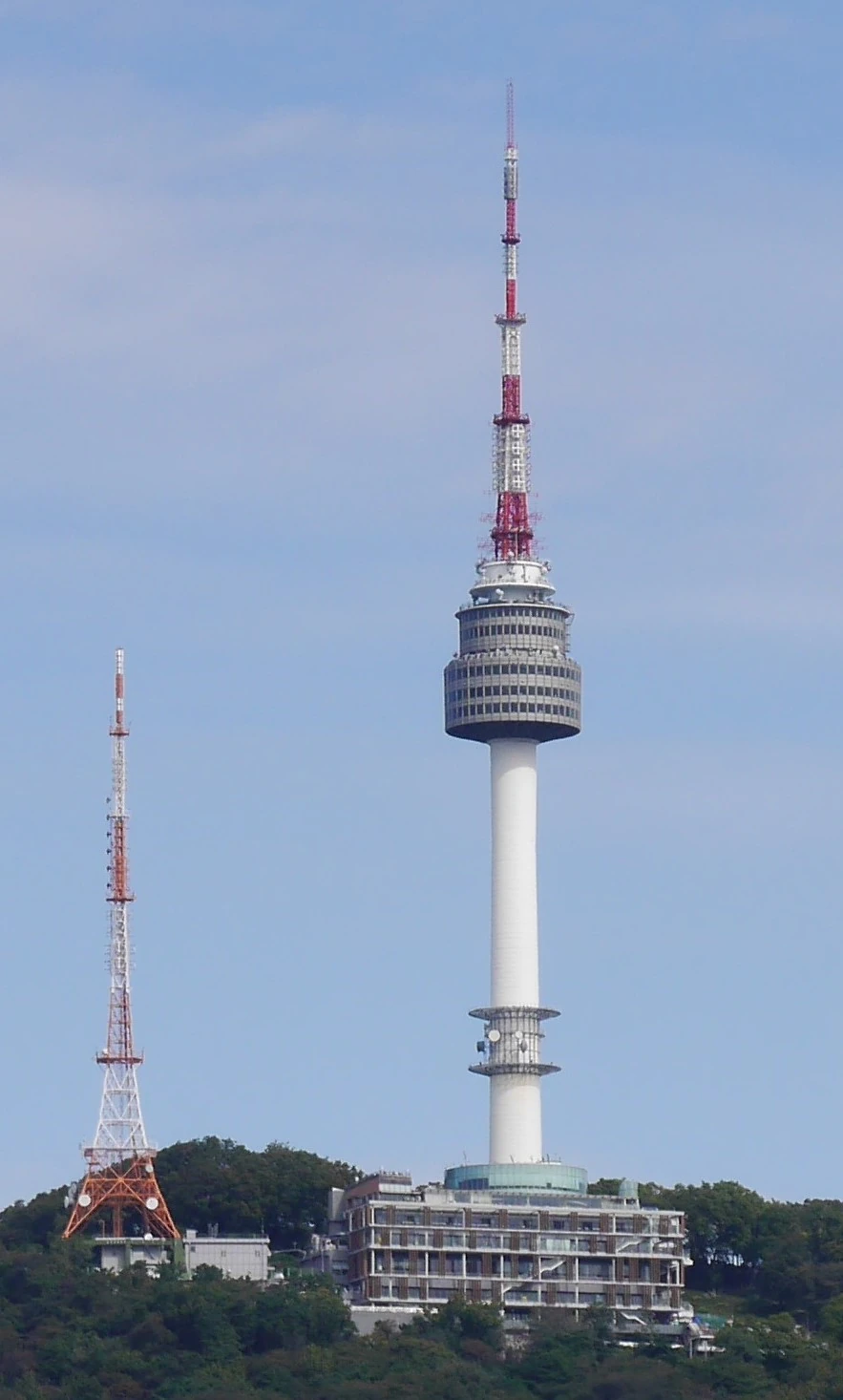
Featured D — N Seoul Tower
N Seoul Tower is the most internationally recognised observation tower in Korea, opened in 1971 on the summit of Namsan Mountain in Yongsan-gu at 105 Namsangongwon-gil. The tower combines a 236-metre observation structure atop the 243-metre Namsan summit for a total elevation of 479 metres above the surrounding city. Hours run 10:00 to 23:00 on weekdays and 10:00 to 24:00 on weekends and public holidays. Observatory admission is KRW 21,000 for adults, with combination tickets available for the digital observation platform and the cable car ascent from the Namsan cable-car station near Myeongdong. Access from central Seoul runs by the Namsan Cable Car (the most photogenic route, with daytime and night-time service), by the Namsan circular shuttle bus from Chungmuro Station, or on foot via the Namsan Park hiking trail (approximately 35-50 minutes from the trailhead). The photographic register at N Seoul Tower is twofold. The first is the city-side observatory itself, which presents a full 360-degree panorama of central Seoul, the Han River, the Gangnam skyline to the south, and Bukhansan and Bugaksan to the north; the city-side view is at its strongest at blue-hour sunset (approximately 30 minutes after the published sunset time). The second is the love-locks deck at the base of the tower, which has become a definitional symbol of N Seoul Tower in K-drama scenes and Instagram photography over the past fifteen years. The deck is free to enter and presents the city skyline as the backdrop for the locked-padlock foreground composition. Language support is full Korean, English, Japanese, and Chinese on tickets, audio guides, and the on-site signage. The cable car from Myeongdong runs approximately every fifteen minutes.
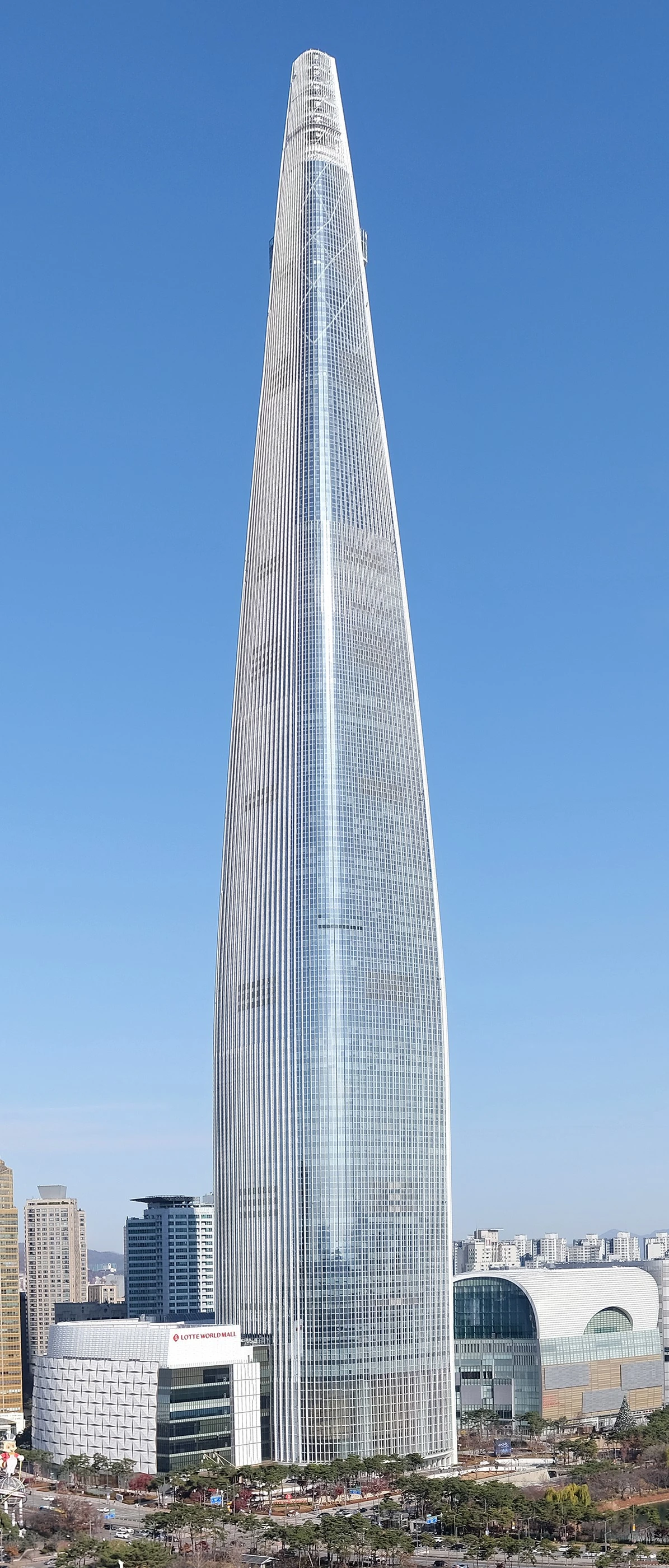
Featured E — Lotte World Tower
Lotte World Tower is the tallest building in Korea (555 metres, 123 floors), opened in April 2017 in Songpa-gu at 300 Olympic-ro, on the south bank of the Han River in the Sincheon-dong commercial district. The building's observation programme, Seoul Sky, runs from the 117th to the 123rd floor and includes the Sky Bridge glass floor at 478 metres — currently the highest fully-transparent glass-floor observation deck in the world. Hours run 10:00 to 22:00 daily, with last admission approximately one hour before closing. Standard observation admission is KRW 31,000 for adults; the Sky Bridge add-on and Sky Pose VR experience run as separate combination tickets. Access from central Seoul runs by Seoul Metro Line 2 to Jamsil Station (Exit 1 or 2), which connects directly into the Lotte World Mall basement and the observation entry corridor. The photographic register at Lotte World Tower is opposite-bank Seoul: from the 117th-to-123rd-floor observation level, the camera looks back across the Han River toward central Seoul, with Namsan Mountain and N Seoul Tower clearly visible on a clear day, plus the full Han River curve through Gangnam-gu, Seocho-gu, and Yongsan-gu. The view east takes in the Olympic Park grounds and the eastern Songpa-gu skyline; the view south takes in the Lotte Castle residential cluster and the southern metropolitan suburbs. Sunset to blue hour is the strongest photographic window. Tripods are restricted; standard handheld and smartphone photography is permitted throughout. Language support is full Korean, English, Japanese, and Chinese on the observation level signage and audio guide.
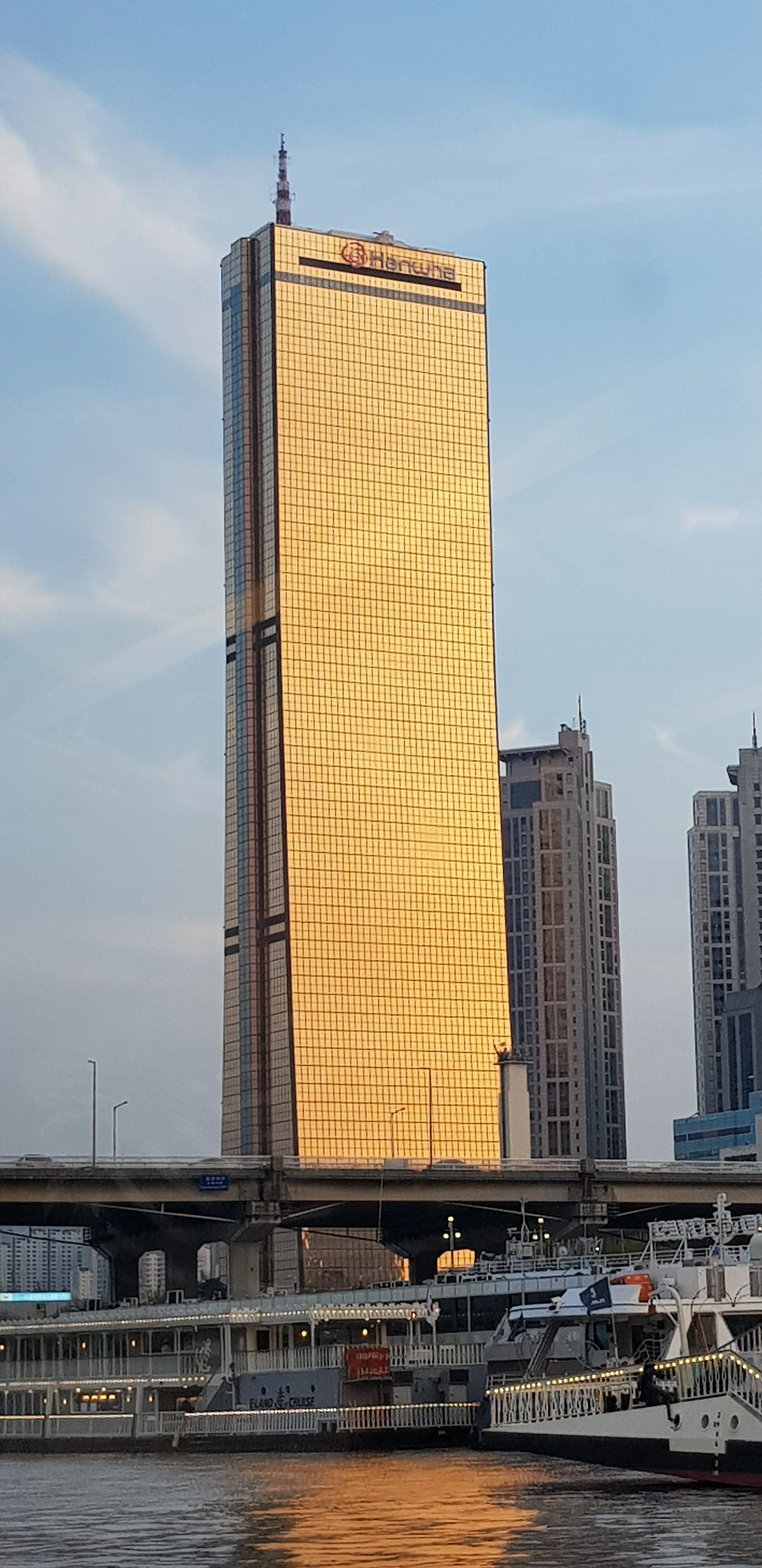
Featured F — 63 Building
63 Building is the heritage skyscraper of Seoul, opened in 1985 on Yeouido island in Yeongdeungpo-gu at 50 63-ro, and it was the tallest building in Asia outside of the Middle East at the time of its opening. The building remains a Seoul cultural landmark even after Lotte World Tower has displaced it as the country's tallest; the gold-tinted glass curtain wall, the Yeouido island location, and the building's role as the visual centre of Seoul's western skyline still define the structure's photographic register. The current observation programme, Hanwha 63 Square, sits on the upper floors and combines the observation deck with the 63 Art exhibition gallery in a single ticketed visit. Hours run 10:00 to 22:00 daily. Combined admission is approximately KRW 13,000 to 18,000 depending on the ticket tier (observation plus art exhibition, or observation plus 63 Wax Museum). Access runs by Seoul Metro Line 9 to National Assembly Station and then a 10-minute walk south, or by Seoul Metro Line 5 to Yeouinaru Station and then a 15-minute walk west along the Han River. The photographic register at 63 Building is meaningfully different from Lotte World Tower. The observation deck looks west across the Han River toward Yeouido Park, the National Assembly building, and the western Seoul districts including Mapo-gu and Yangcheon-gu — and that westward orientation makes 63 Building the strongest sunset observation deck in Seoul. The view east takes in central Seoul and Namsan; the view south takes in Yeongdeungpo and the Gimpo Airport approach corridor. The building itself, photographed from the opposite bank of the Han River (Banpo Hangang Park or Yeouido Hangang Park), is a Seoul-signature composition that has appeared in countless K-drama establishing shots since the 1990s.
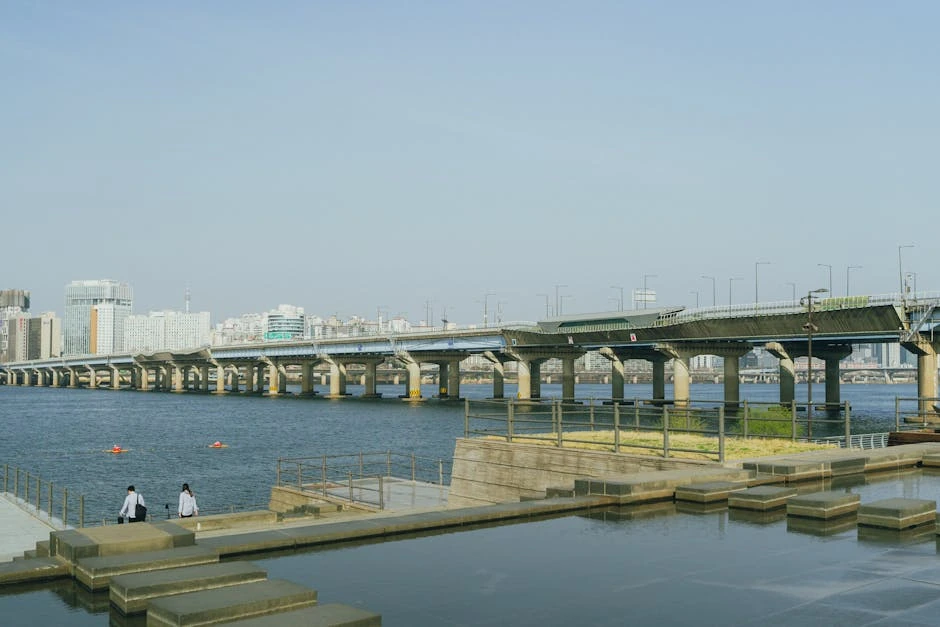
Featured G — Banpo Hangang Park (Moonlight Rainbow Fountain)
Banpo Hangang Park sits on the south bank of the Han River in Seocho-gu at 40 Sinbanpo-ro 11-gil, immediately below Banpo Bridge. The park is the most photographed segment of the Han River, anchored by the Banpo Bridge Moonlight Rainbow Fountain — a 1,140-metre-long bridge-mounted fountain system that the Guinness Book of World Records recognises as the longest bridge fountain in the world. Hours for the park run 24 hours, with the fountain shows operating on a scheduled programme. From April through October, the Moonlight Rainbow Fountain operates at 19:30, 20:00, 20:30, and 21:00 on weekdays and includes an additional 21:30 show on weekends and holidays; daytime shows at 12:00, 14:00, 16:30, 17:30, and 19:00 also run in the warm months. The November through March schedule is reduced. The park itself is free, and there is no admission. Access runs by Seoul Metro Line 3, 7, or 9 to Express Bus Terminal Station and then a 15-minute walk south to the Han River, or by Seoul Metro Line 4 or 9 to Dongjak Station and then a 10-minute walk east. The photographic register at Banpo is twofold. The first is the fountain itself — a long-exposure photograph of the bridge with the multi-coloured arcing water spray against the Seoul skyline is one of the most distinctive Seoul images on contemporary travel media. The second is the park's broader programme of riverside cycling paths, picnic lawns, and the Some Sevit floating-island complex (Sevit-do) just downstream, which presents at its strongest at blue-hour with the floating-island LED lighting against the Han River reflection. Banpo Hangang Park is the editorial board's strongest single-location recommendation for an evening Han River photo session for first-time visitors.
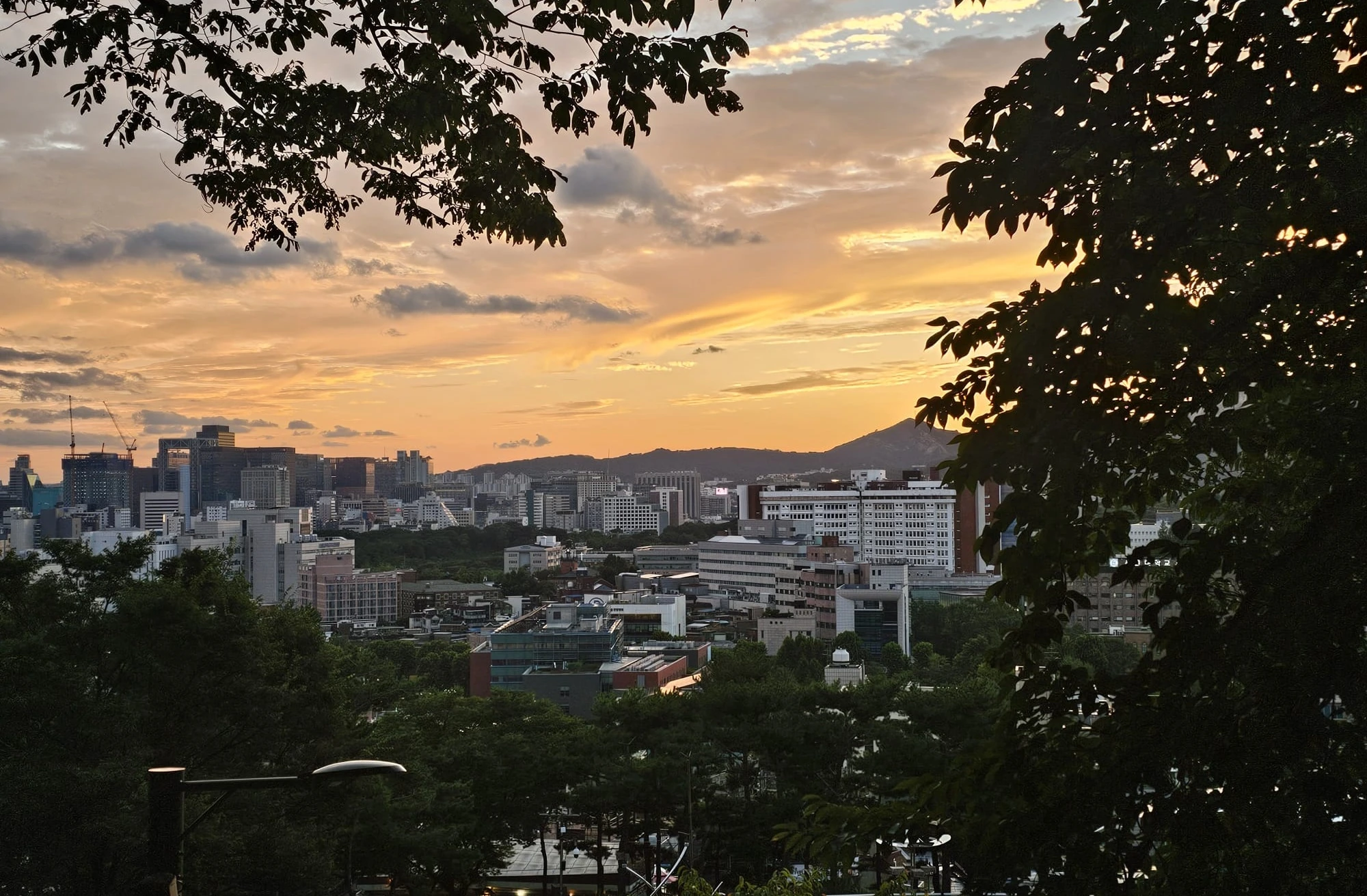
Featured H — Naksan Park (Seoul Fortress Wall)
Naksan Park is a hilltop park in Jongno-gu at 41 Naksan 5-gil, on the eastern edge of central Seoul, and it runs along a preserved section of the Joseon-era Seoul Fortress Wall (the city wall constructed under King Taejo in 1396 to enclose the original Hanyang capital). The hilltop reaches approximately 125 metres elevation and presents a panoramic westward view across central Seoul that takes in Namsan and N Seoul Tower on the south, the central business district and the Gwanghwamun corridor in the middle distance, and the Bukhansan mountain range on the far horizon. Hours are 24 hours, and the park is free. Access runs by Seoul Metro Line 4 to Hyehwa Station (Exit 2) and then a 10-minute walk east, or by Seoul Metro Line 1 to Dongdaemun Station and then a 15-minute walk north along the preserved fortress wall trail. The photographic register at Naksan Park is the editorial board's strongest free panoramic recommendation in central Seoul, particularly at sunset and during the blue-hour transition. The composition pairs the foreground fortress wall — a stone-and-brick construction running along the ridge — with the central Seoul skyline and the silhouetted mountain horizon behind, in a way that pulls the city's historical and contemporary layers into the same frame. The Ihwa Mural Village sits immediately south of the park entrance, adding an alternative photographic register of painted-wall street art and narrow alley compositions in a working residential neighbourhood. The combined Naksan-Ihwa walking route is approximately 90 to 120 minutes including photography time. Visitors should bring water and wear walking shoes; the trail runs uphill on uneven stone.
Featured I — Bukak Skyway Palgakjeong
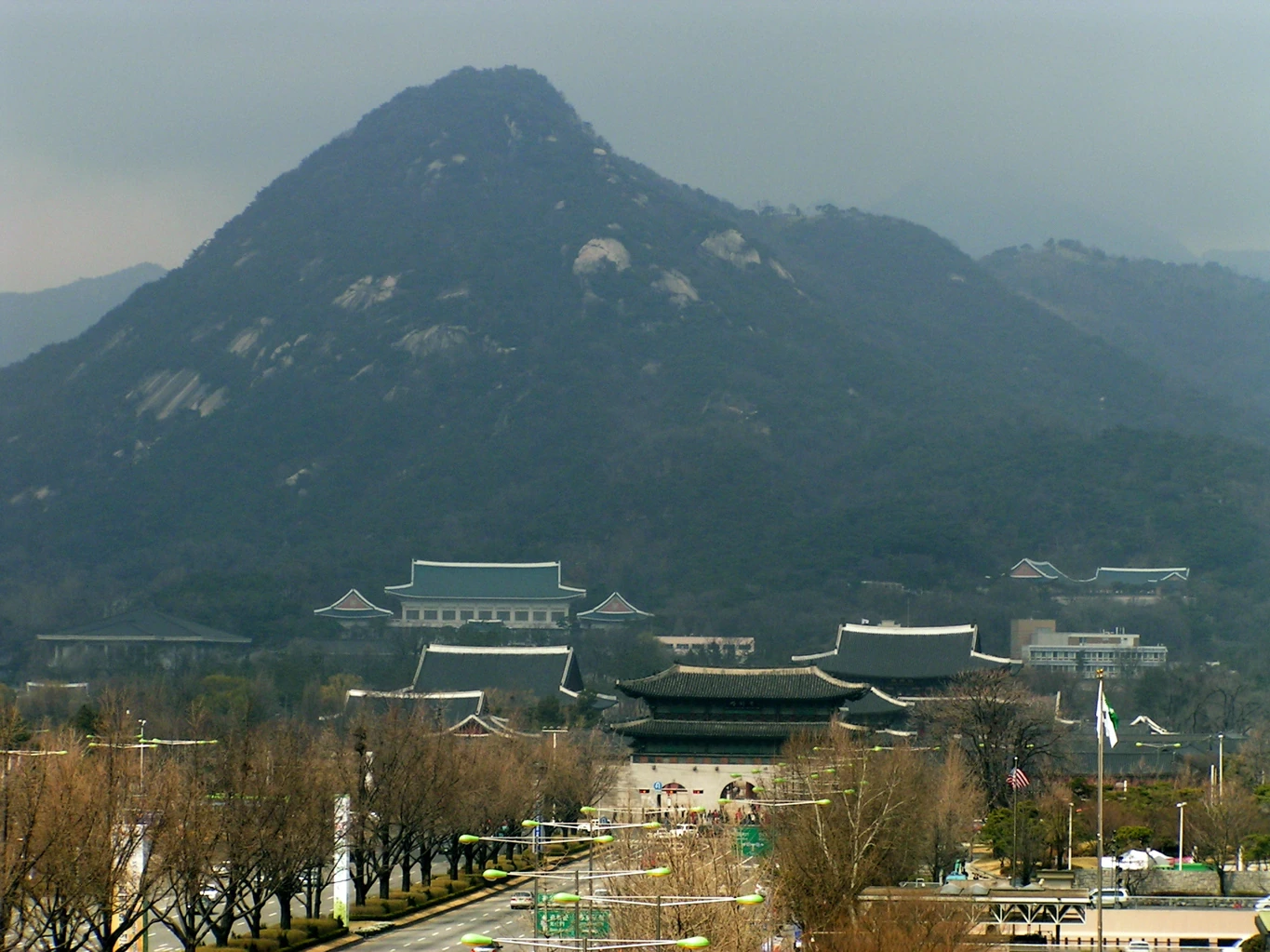
Bukak Skyway Palgakjeong is the highest-elevation observation point in central Seoul, sitting on the Bugaksan mountain ridge at 267 Bugakjeong-ro in Jongno-gu, accessed by the Bukak Skyway road that climbs from Sungbuk-dong through Pyeongchang-dong. The Palgakjeong pavilion sits at approximately 342 metres elevation and presents an unobstructed 270-degree view of central Seoul, including Gyeongbokgung Palace and the central business district directly below, the Gwanghwamun-Sejong-daero corridor running south, Namsan and N Seoul Tower in the middle distance, and the Gangnam skyline including Lotte World Tower on the far horizon. Hours are 24 hours; the road and the pavilion are free. There is a cafe at the pavilion that operates approximately 10:00 to 22:00. Access runs by taxi (15-25 minutes from Gwanghwamun, depending on traffic) or by public bus 1020 or 7022 from Sungbuk-dong to the Bukak Skyway entrance and then approximately 20 minutes on foot up the road. The photographic register at Bukak Skyway is the most cinematic night view in Seoul; the location has appeared as a romantic-scene backdrop in dozens of K-dramas over the past two decades. The composition combines the elevation, the unobstructed central Seoul foreground, and the layered skyline behind — and the sunset window through the late-blue-hour transition is the strongest photographic moment of the day. The mountain ridge itself is part of the broader Bukhansan National Park system and pairs with the Bugaksan summit hiking trail (approximately 2.5 hours round trip from the Sukjeongmun gate) for visitors wanting a fuller day on the ridge. The trail is well-marked in English.
Featured J — Inwangsan Seonbawi
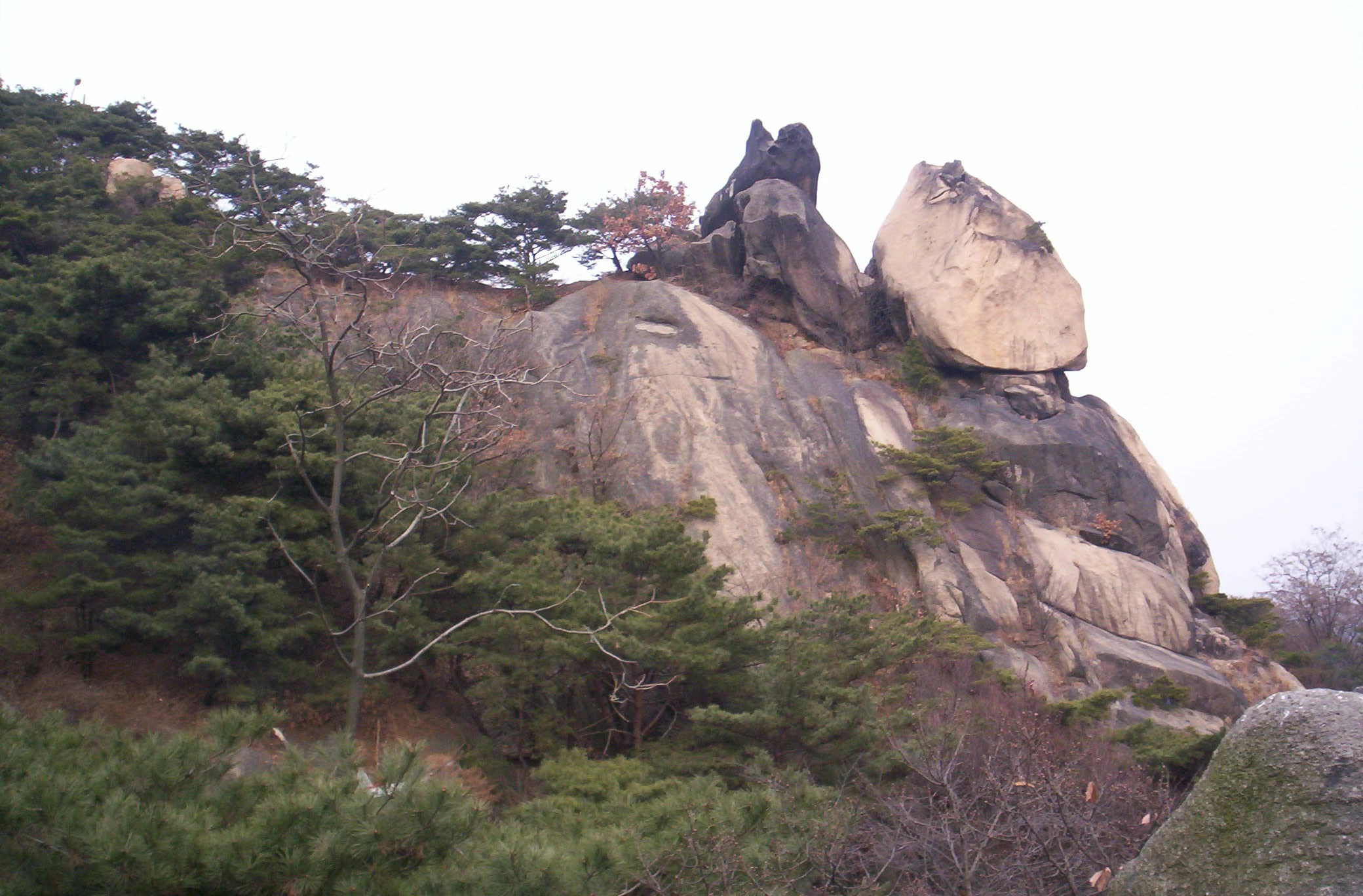
Inwangsan is the granite mountain that forms the western flank of central Seoul, rising to 338 metres at its summit and accessible by a network of hiking trails from the Sajik-dong, Buam-dong, and Hongje-dong entrances. The Seonbawi trail — running from the Sajik-dong entrance past the Seonbawi granite rock formation to the summit — is the editorial board's recommended photo route, taking approximately 90 to 120 minutes round trip including stops. Hours are 24 hours; the trail is free. Access runs by Seoul Metro Line 3 to Dongnimmun Station (Exit 2) and then a 10-minute walk to the Sajik-dong trailhead. The photographic register at Inwangsan Seonbawi is the strongest free panoramic mountain-summit view of central Seoul, pulling Gyeongbokgung Palace and the surrounding Jongno-gu compound into the immediate foreground (the camera is approximately 1.5 kilometres from the palace and meaningfully above it), with the central business district and Namsan in the middle distance and the Bukhansan range on the eastern horizon. The Seonbawi rock formation itself — a pair of standing granite columns shaped by erosion into what locals interpret as monk-figure outlines — is a Joseon-era sacred site and a working shrine; respectful behaviour at the rock is expected. The preserved Joseon city wall runs along the ridge above Seonbawi for several hundred metres, providing the foreground composition that pairs the historical wall with the contemporary skyline behind. The summit pairs naturally with the Bukak Skyway on a single half-day on the western ridge. Difficulty is lower than the comparable Bukhansan summit routes; the trail is rocky but well-marked and signed in English.
How to plan a one-day Seoul photography itinerary
Visitors with a single full day for photography in Seoul typically find the strongest results from a structured day organised around two of the three photographic axes — the elevated tier and either the heritage tier or the Han River tier, but not all three in a single day. The editorial board's working day-plans are as follows. The heritage-and-elevated day pairs an early-morning Gyeongbokgung visit (arriving at the 09:00 opening to photograph the empty compound before tour groups arrive) with the 10:00 changing-of-the-guards ceremony at the main gate, followed by a Bukchon Hanok Village walk (Bukchon 8 Views, Gahoe-dong 11-gil viewpoint) and a Changdeokgung-plus-Huwon afternoon, closing with a sunset and blue-hour photography session at the Bukak Skyway Palgakjeong. This day pulls heavily on Jongno-gu and works best when paired with a Bukchon or Insa-dong lunch. The Han-River-and-elevated day pairs a morning Naksan Park walk (sunrise photography along the fortress wall) with an afternoon Yeouido visit to the 63 Building observation deck, followed by a sunset session at Banpo Hangang Park for the Moonlight Rainbow Fountain (during April-October operating season) or at the riverside cycling path year-round, closing with an N Seoul Tower night-view session. This day pulls across central Seoul, Yeongdeungpo, Seocho-gu, and Yongsan-gu and works best with a single hired-car driver or with taxi-and-metro combination travel. Visitors with two full days for photography can run both itineraries. Visitors with three days can add a Lotte World Tower Seoul Sky session in Songpa-gu and an Inwangsan Seonbawi summit hike on day three. The strongest single-day window for first-time photographers is the heritage-and-elevated structure above, in autumn (mid-October through mid-November) when the foliage at the palaces and on the Bukak Skyway is at peak colour.
Camera gear, drones, tripods, and what is restricted
Camera regulations vary across the ten locations and should be confirmed before each visit. Handheld DSLR, mirrorless, and smartphone photography is universally permitted at all ten locations on this list. Tripods are restricted on the observation platforms of N Seoul Tower, Lotte World Tower Seoul Sky, and 63 Building (the observation programmes treat tripods as safety and crowd-management constraints), and tripods are restricted in the Huwon rear garden at Changdeokgung during scheduled guided tours. Tripods are permitted in the open palace compounds at Gyeongbokgung and Changdeokgung outside the Huwon, at Bukchon Hanok Village (subject to the 'walk quietly' hours), at Banpo Hangang Park, at Naksan Park, at the Bukak Skyway Palgakjeong pavilion, and at the Inwangsan trail viewpoints. Drone photography is restricted across the entire Seoul metropolitan area under Korean civil aviation regulation — the city sits under controlled airspace, and drone use without prior permit from the Korea Office of Civil Aviation (KOCA) and from the relevant district government office is not permitted at any of the ten locations on this list. Visitors planning drone photography should apply at least four weeks in advance through the K-Drone application portal. Flash photography is restricted inside the palace buildings at Gyeongbokgung and Changdeokgung (the preserved interior paintings and lacquerware are light-sensitive), inside the Leeum Museum and other museum interiors when applicable, and on the Seoul Sky observation glass floor at Lotte World Tower (the reflection interferes with other visitors' photographs). Outdoor flash photography is permitted at all ten locations. Commercial photography — including paid model shoots, fashion shoots, and commercial video production — requires advance permit from the relevant venue operator at the palaces, the observation towers, and the museum locations, and the editorial board recommends applying at least two weeks ahead of the planned shoot date. Cosplay and hanbok-rental photography is permitted and actively encouraged at the palaces; the free-entry-with-hanbok policy at Gyeongbokgung and Changdeokgung is structured precisely to support that photographic register.
Editorial method — what is on this list and what is not
The list above includes only locations the editorial board has independently verified against the live VisitKorea English-language directory and against the Seoul Metropolitan Government visitor portal at the time of publication. Several Seoul locations that international travellers occasionally hear about — Cheonggyecheon stream, Dongdaemun Design Plaza, Gyeongui Line Forest Park, Ikseon-dong hanok lanes, Seoullo 7017 elevated pedestrian park, Haneul Park in autumn, Olympic Park 'Lone Tree' — are excellent photographic locations in their own right but sit outside the editorial cut for this particular shortlist of ten. Those locations are covered in separate Gangnam Meditour editorial pieces and in our broader by-region directory. Photography locations in the Gangnam-gu area — including Dosan Park, Garosu-gil, Apgujeong Rodeo Street, the Haus Dosan facade, the COEX Mall Starfield Library, and the Cheongdam gallery district — are covered in the dedicated Gangnam editorial guide rather than on this citywide shortlist. The Gangnam-gu locations skew toward retail-and-lifestyle photographic registers rather than the panoramic-and-heritage register that frames the ten on this list. Visitors building a longer Seoul photography itinerary should plan to integrate the citywide ten with the Gangnam-gu cluster across at least three days, and add a Myeongdong-and-Jung-gu walking day if the trip includes the central downtown shopping and palace-adjacent corridor. This list is updated against each major change in venue hours, admission, or access; visitors should reconfirm at the time of planning. The editorial board does not maintain commercial relationships with any of the ten venues on this list; inclusion is editorial.
“Seoul photographs strongest along three axes — the elevated tier, the heritage tier, and the Han River. Pick two for a full day; do not run all three. — Gangnam Meditour Editorial Board”
Frequently asked questions
Which Seoul photo spot offers the highest observation point?
Lotte World Tower Seoul Sky in Songpa-gu offers the highest observation point in Korea — the Sky Bridge glass floor sits at 478 metres on the 118th floor, and the standard observation deck reaches the 123rd floor at approximately 500 metres above ground. The view spans central Seoul, the Han River, and Namsan.
Are drones permitted for photography in Seoul?
Drone photography is restricted across the Seoul metropolitan area under Korean civil aviation regulation. The city sits under controlled airspace, and drone use without prior permit from the Korea Office of Civil Aviation and the relevant district government office is not permitted at any of the ten locations on this list.
Is admission free at Gyeongbokgung Palace?
Gyeongbokgung admission is KRW 3,000 for adults at standard rates. Admission is free for any visitor wearing rented hanbok — the traditional Korean dress — from one of the hanbok rental shops in Bukchon, Insa-dong, or nearby Gyeongbokgung Station. This policy applies year-round and at all five Joseon palaces.
When does the Banpo Bridge Moonlight Rainbow Fountain operate?
The Banpo Bridge Moonlight Rainbow Fountain operates from April through October, with evening shows at 19:30, 20:00, 20:30, and 21:00 on weekdays, plus a 21:30 show on weekends and holidays. The November through March schedule is significantly reduced. The fountain is a Guinness-recognised world record for the longest bridge fountain at 1,140 metres.
What is the best free photo viewpoint in central Seoul?
Naksan Park on the eastern fortress-wall ridge in Jongno-gu is the editorial board's strongest free panoramic recommendation in central Seoul. The hilltop reaches approximately 125 metres elevation and presents a westward view across central Seoul that pairs the preserved Joseon fortress wall with the modern skyline behind.
How do I get to N Seoul Tower from Myeongdong?
The Namsan Cable Car from the Myeongdong-side base station to the N Seoul Tower observation platform runs approximately every fifteen minutes and is the most photogenic access route, with daytime and evening service. Alternative routes include the Namsan circular shuttle bus from Chungmuro Station and the Namsan Park hiking trail (35 to 50 minutes on foot).
Which palace is the only UNESCO World Heritage site in Seoul?
Changdeokgung Palace was inscribed on the UNESCO World Heritage list in 1997 and is the only one of Seoul's five Joseon-era royal palaces to hold that designation. The Huwon rear garden, accessible by scheduled guided tour only, is the palace's photographic centrepiece and is considered Korea's finest preserved royal garden.
Are there walking-rule restrictions in Bukchon Hanok Village?
Bukchon Hanok Village is a working residential area, and the Seoul Metropolitan Government has adopted official 'walk quietly' hours of 10:00 to 17:00 on weekdays, with no entry into residential lanes after 17:00. The multilingual signage is enforced. The strongest photography window is the first ninety minutes after 10:00 before tour groups arrive.