Treatment Guide
Korea medical trip planner, by budget tier
Premium, mid-tier, and budget cost stacks for a Korean aesthetic or regenerative trip — hotel, clinic, transit, and ancillaries, read as integrated stacks rather than line items.
International patients planning a Korean medical-tourism trip tend to budget the way they budget a leisure trip — by adding line items and hoping the total lands somewhere reasonable. That approach reliably under-estimates the trip. The truer planning frame is to think in integrated cost stacks: a premium stack where every element is selected for comfort and time-saving; a mid-tier stack where the clinic remains premium-quality but hotel and transit decisions trade comfort against cost; and a budget stack where the clinical decision remains uncompromised but every non-clinical decision is optimised for affordability. This page lays out the three stacks with realistic numbers from the current Seoul market and from the regional alternatives at Myeongdong and Incheon Airport. The numbers are orientation, not quotes — actual pricing varies with travel season, currency rate, and clinic-package terms. For broader Korea-wide medical-tourism orientation across multiple specialties, see visitkoreamedical.com; for Korea-wide stem cell coverage we operate the dedicated korea-stem-cell.com archive. Authoritative context sits with the Korea Health Industry Development Institute, the Korea Tourism Organization medical portal, and the Korean Ministry of Health and Welfare.
Why budgeting in stacks beats budgeting in line items
The line-item approach to medical-tourism budgeting — flights here, clinic there, hotel separately, transit on top — produces predictable distortions. Patients pick a premium clinic and then look for the cheapest acceptable hotel, and the hotel-to-clinic commute eats two productive consultation days. Patients pick a luxury hotel and then look for a clinic that fits the remaining budget, and the clinic shortlist drops to operators the patient would have rejected on quality grounds. Patients optimise transit cost and then arrive at the clinic exhausted from a 90-minute limousine route at the wrong hour. The stack-based approach reverses the framing: decide the trip's overall positioning first (premium, mid-tier, or budget), then choose every element to match that positioning, and check the total against realistic stack ranges before booking flights. The premium stack is roughly 1.8 to 2.2 times the budget stack for an equivalent procedure; the mid-tier stack lands closer to budget than to premium because the savings concentrate on hotel and transit rather than on clinical scope.
The premium stack — full comfort, time saved
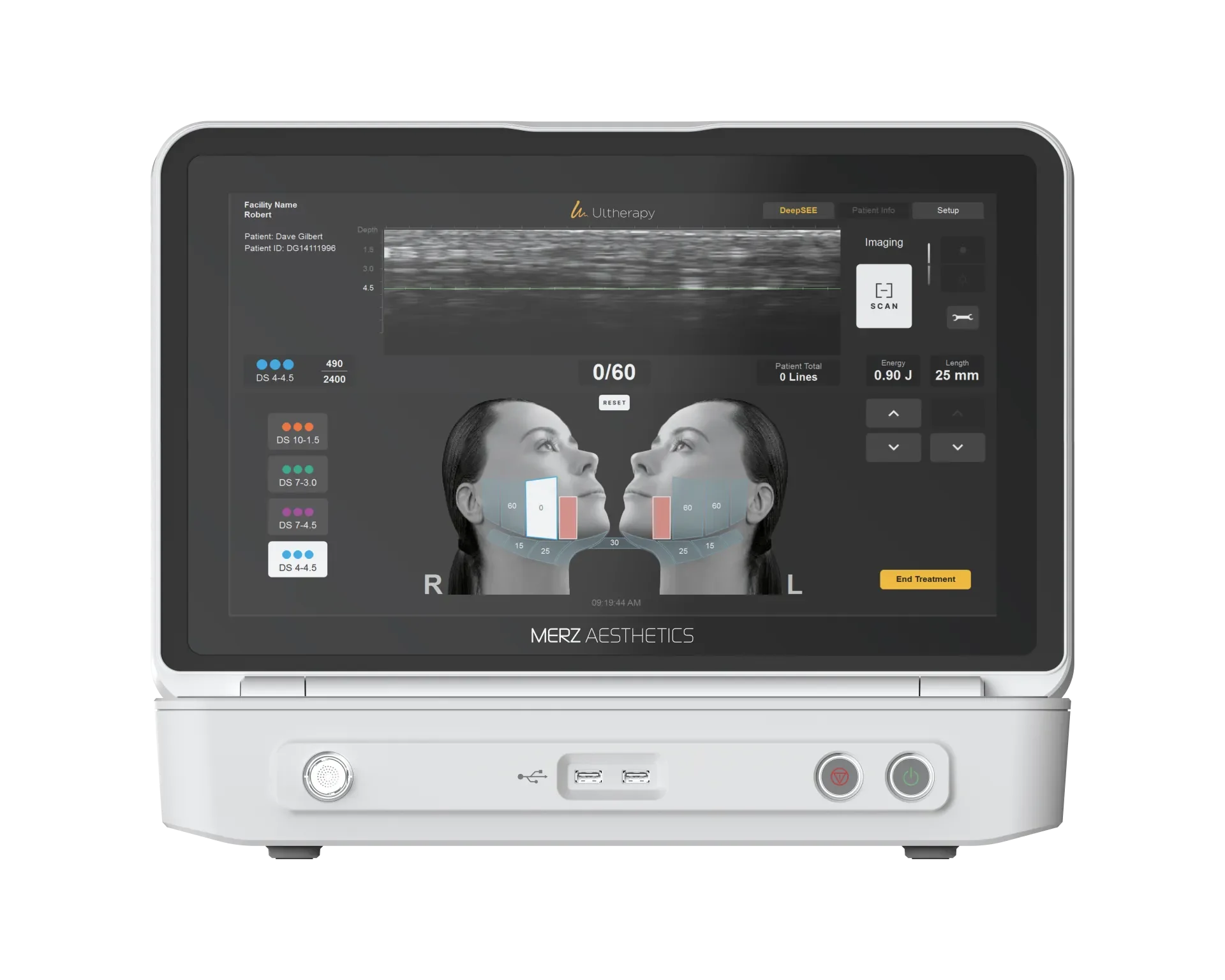
A premium trip stack runs at roughly USD 9,500 to USD 16,000 for a five-to-seven-day Seoul trip with single-modality clinical work at top-tier Gangnam pricing, and proportionally higher for sequenced multi-modality programmes. The premium hotel range is JW Marriott Seoul, Park Hyatt Seoul, Andaz Seoul Gangnam, or Four Seasons Hotel Seoul for Gangnam-adjacent positioning; Lotte Hotel Seoul or Shilla Seoul for central-Seoul positioning closer to Myeongdong. Premium room rates land at roughly USD 380 to USD 620 per night, with executive-floor or club-level rooms at USD 540 to USD 850. Clinical pricing at premium-tier Gangnam clinics typically runs USD 3,200 to USD 5,800 for a single-modality face-and-neck Ulthera Prime, USD 4,100 to USD 6,400 for Thermage FLX 900-shot, and USD 9,500 to USD 16,000 for stem-cell and regenerative-medicine programmes depending on cell count and protocol. Premium transit means hotel-arranged sedan or KHIDI-facilitator-arranged private car for airport transfers (USD 110 to USD 180 each way) and KakaoTaxi or hotel car for in-Seoul movement. Ancillaries — meals, pharmacy and aftercare supplies, optional cultural day-trips — run roughly USD 80 to USD 160 per day. The premium stack's biggest value is the time saved across the trip: a premium-stack patient typically completes consultation, treatment, and recovery in five days; a budget-stack patient on the same clinical work often needs seven.
The mid-tier stack — quality clinic, sensible everything else
A mid-tier trip stack runs at roughly USD 6,200 to USD 10,500 for the same five-to-seven-day window with the same clinical scope, and the savings come almost entirely from hotel and transit decisions rather than from clinical compromise. Mid-tier hotel selection runs Aloft Seoul Gangnam, Shilla Stay properties, Glad Gangnam, Stanford Hotel Seoul, and central-Seoul mid-tier (Plaza Seoul, Solaria Nishitetsu Hotel Seoul Myeongdong, Loisir Hotel Seoul Myeongdong) at roughly USD 180 to USD 340 per night. Clinical pricing remains at the same premium-tier clinics — patients on a mid-tier stack do not downgrade the clinical decision; they downgrade the surrounding experience. Mid-tier transit means Airport Limousine bus inbound (route 6020 to Gangnam, route 6015 to Myeongdong-area hotels, USD 12 to USD 16 per person) and AREX outbound for a faster airport return, with KakaoTaxi for in-Seoul movement (USD 8 to USD 22 per ride). Ancillaries run USD 50 to USD 100 per day with meals at standard Korean restaurants. The mid-tier stack's biggest trade-off is time: a 45-minute limousine route versus a 20-minute private-car route translates into 90 minutes per round trip, and across a week with multiple transitions, that compounds to roughly half a productive day.
The budget stack — clinical decision protected, everything else optimised
A budget trip stack runs at roughly USD 4,500 to USD 7,800 for the same clinical scope across five-to-seven days, and the structure depends on protecting the clinical decision absolutely while optimising every non-clinical element. Budget hotel selection runs business-grade properties like Nine Tree Hotel Myeongdong, Hotel Skypark Myeongdong, Hotel Foreheal Gangnam, and serviced-apartment options like Vabien Suites and Fraser Place Central Seoul at roughly USD 95 to USD 170 per night. Clinical pricing — and this is the part most budget-conscious patients get wrong — does not drop materially at credible Korean clinics. The right way to budget the clinical line item is to pick the clinic on clinical grounds first and then accept that quality clinical work in Korea costs roughly what quality clinical work costs, with regional variation between premium Gangnam, mid-Myeongdong, and Incheon Airport rather than tier variation within the same clinic. Patients chasing 40-to-60-percent clinical discounts in Korea are typically being routed to lower-tier installations of the same platforms; the better budget approach is to choose a Myeongdong or Incheon Airport clinic at standard Korean pricing rather than a deeply-discounted Gangnam clinic. Budget transit means AREX both ways (USD 8 to USD 11 per person each way) and Metro for in-Seoul movement (USD 1.20 per ride); ancillaries run USD 25 to USD 55 per day. The budget stack's largest hidden cost is not financial; it is energy — patients on a budget stack handle their own logistics and typically need an extra recovery day, and a 7-day budget trip often ends up roughly as expensive as a 5-day mid-tier trip once meals and ancillaries compound.
Region choice and how it changes the stacks
Choosing Myeongdong instead of Gangnam shifts every stack down by roughly 18 to 28 percent without changing the clinical decision, because hotel pricing in central Seoul runs lower than Gangnam at comparable tiers and several premium clinics operate Myeongdong branches at modestly lower pricing than their Gangnam counterparts. Choosing Incheon Airport — for short-layover treatment, single-day procedures, or programmes designed around a layover rather than a Seoul visit — eliminates Seoul accommodation entirely and replaces it with airport-area hotel options (Paradise City, Nest Hotel, Grand Hyatt Incheon) at roughly USD 200 to USD 380 premium, USD 130 to USD 200 mid-tier, and USD 80 to USD 130 budget per night. The Incheon stack is structurally different — clinic procedures are commonly designed around a 6-to-10-hour layover for ambulatory work or a 1-to-2-night stay for procedures requiring next-day check-in. For Incheon-specific orientation see our Incheon Airport regional archive; for Korea-wide cross-specialty trip planning beyond aesthetic and regenerative work, visitkoreamedical.com carries the broader medical-tourism context across orthopaedic, dental, fertility, and other specialties.
Where to spend more, where to spend less
Across a thousand-plus international-patient trips coordinated through HEIM GLOBAL, the same spend-allocation pattern emerges as the one that produces the best outcomes. Spend more on the clinic — the difference between a third-decile and ninetieth-decile Korean clinic at the same headline price is large and visible in the result. Spend more on transit at the front and back of the trip, when fatigue compounds — a private car from Incheon to the hotel on arrival and back for departure is roughly USD 220 to USD 360 round trip and converts directly into recoverable productive time. Spend less on the hotel category — a USD 280 mid-tier room provides functionally the same sleep and recovery as a USD 520 premium room for a patient who is in the room for 8 to 9 hours per day. Spend less on restaurant ambition — the meals that produce the strongest trip satisfaction are mid-priced neighbourhood Korean restaurants near the clinic. The single most expensive mistake patients make is the reverse pattern: a premium hotel paired with a discounted clinic. The result is reliably a slightly better-rested patient with a materially worse clinical outcome.
Frequently asked questions
What is a realistic total budget for a single-modality aesthetic trip to Korea?
A five-to-seven-day Seoul trip for a single-modality face-and-neck procedure at a credible clinic runs roughly USD 4,500 to USD 7,800 on a budget stack, USD 6,200 to USD 10,500 on a mid-tier stack, and USD 9,500 to USD 16,000 on a premium stack. The variation within each tier comes from clinic positioning, hotel selection, and how much of the transit is private rather than public. Currency rates and seasonality move these ranges by 8 to 15 percent.
Should I downgrade the clinic to save money?
No. The clinical decision should be made on clinical grounds first, and budget should be addressed by choosing a different region (Myeongdong instead of Gangnam, Incheon Airport for layover-style trips), a different hotel category, or different transit choices. The cost savings from clinical downgrade tend to be smaller than the cost savings from non-clinical optimisation, and the outcome variance is much larger.
How much does a hotel near the clinic actually save?
Roughly 45 to 90 minutes per round trip versus a hotel in a different district, which compounds to a half-day to a full day across a five-to-seven-day trip with multiple clinic visits. For premium-stack trips where time is the binding constraint, the geographic match is worth meaningful hotel-rate premium; for budget-stack trips where the binding constraint is total cash outlay, a Metro-accessible budget hotel in an adjacent district often makes sense.
What does airport pickup actually cost?
Private sedan or hotel-arranged car runs USD 110 to USD 180 each way for Incheon-Seoul. Airport Limousine bus runs USD 12 to USD 16 per person each way. AREX express train runs USD 8 to USD 11 per person each way. Patients on KHIDI-registered facilitator packages often have at least one direction of airport transit included in the package; verify at booking.
Is it cheaper to book through a KHIDI-registered facilitator or direct with the clinic?
Roughly comparable. KHIDI-registered facilitators including HEIM GLOBAL are funded by clinic referral fees rather than patient charges, so the patient does not typically pay a facilitator markup on the clinical line item. The value of the facilitator service is in coordination — visa support where needed, multilingual consultation, airport pickup, accommodation guidance, aftercare follow-up — rather than in clinical-price arbitrage. Patients who prefer to handle their own logistics often book direct; patients who value coordinated end-to-end service often book through a facilitator.
How long should I plan for, given my budget tier?
A premium-stack trip with private transit and a hotel matched to the clinic district typically completes single-modality work in five days. A mid-tier-stack trip on the same clinical work commonly needs six days. A budget-stack trip with public transit and a Metro-accessible hotel typically needs seven days to complete the same scope with adequate recovery. Comprehensive multi-modality programmes add two-to-three days on top of these baselines across all tiers.
What hidden costs do patients commonly miss?
Pharmacy and topical aftercare supplies (USD 40 to USD 120 across the trip), data-roaming or pocket-WiFi (USD 35 to USD 90 across a week), gratuities and small-cash currency (USD 40 to USD 80), and the buffer day at the end of the trip that most patients under-budget. Travel insurance with medical-tourism coverage is the largest line item patients miss entirely and typically the most worthwhile.