Treatment Guide
Korea trip planner — by time
3-day, 7-day, and 14-day frameworks for integrating aesthetic and regenerative treatment into a Korean medical-tourism itinerary.
International patients arriving in Korea for aesthetic or regenerative treatment frequently underestimate one variable: time. The treatment itself is usually a single session of two to four hours; the consultation that precedes it is typically 45 to 90 minutes; the recovery window before social events, return flights, or onward travel ranges from zero to ten days depending on the modality. The sum of these variables, plus the practical realities of jet lag, transit between Incheon Airport and the Seoul clinic core, and the consultation-to-treatment gap many premium clinics enforce, dictates whether a 3-day trip is realistic or whether 7 to 14 days is the practical floor. This page sets out three trip-length frameworks — 3-day single-modality, 7-day comprehensive, and 14-day multi-modality — with day-by-day structure, downtime buffer logic, and treatment-integration considerations. The frameworks are orientation, not prescription: actual scheduling depends on the protocol the consulting physician proposes, the patient's social calendar after return, and the practical realities of flight schedules from origin city. For broader logistical context, see the visa and travel logistics page and the authoritative Korea Tourism Organization Medical portal. For cross-publisher context on Korea medical tourism more broadly, see the VisitKoreaMedical hub, which aggregates editorial coverage across the publisher network.
3-day framework — single-modality, shot-based
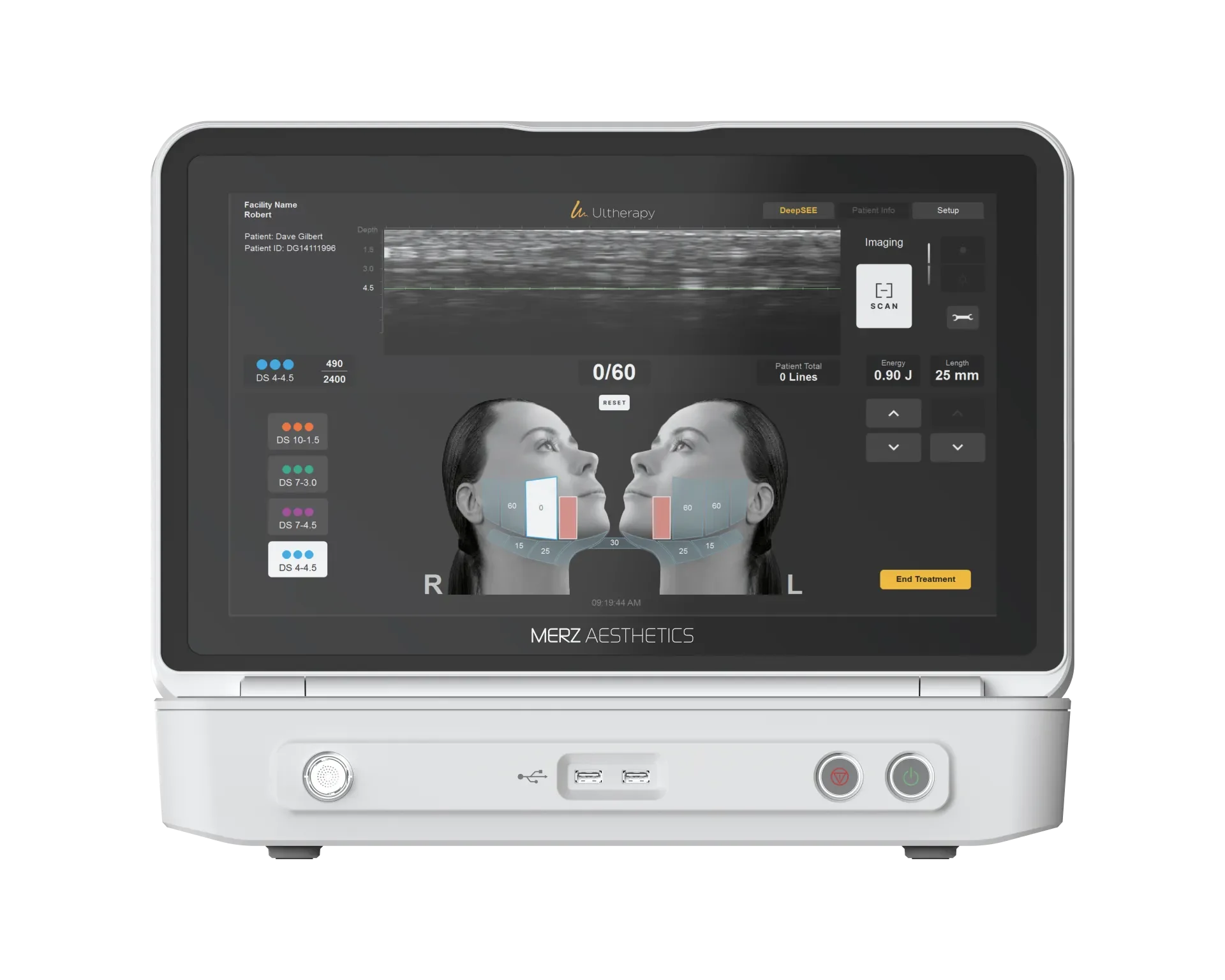
The 3-day framework is the practical floor for international medical tourism in Korea and works only for single-modality shot-based treatment — Ultherapy PRIME, Thermage FLX, Sofwave, or focused regenerative microneedling — without thread-lift or surgical work. Day 1 is arrival: morning or early-afternoon landing at Incheon, transit to the Seoul clinic core (60 to 90 minutes by AREX express train, Airport Limousine bus, or private transfer), check-in to a Gangnam or Myeongdong hotel, and a light afternoon to reset jet lag before evening consultation. The evening consultation slot — typically 5pm to 7pm at premium clinics that accommodate international patients — covers anatomical assessment, protocol selection, and informed consent. Day 2 is the treatment day: morning topical anaesthesia for 30 to 45 minutes, treatment session of 60 to 120 minutes, light recovery for the rest of the day (a quiet dinner, no sauna, no vigorous exercise). Day 3 is the buffer-and-departure day: morning post-treatment check-in with the clinic coordinator, brief photographic documentation if the clinic operates a structured follow-up protocol, and afternoon or evening return to Incheon. The 3-day framework is tight; missing the Day 1 consultation slot due to flight delays compresses Day 2 awkwardly. Risk-averse patients add a buffer day to make it 4 days.
7-day framework — comprehensive multi-modality
The 7-day framework is the typical recommendation for international patients who want comprehensive aesthetic and regenerative work in a single Korean trip. The structure permits two or three modalities sequenced with appropriate intervals — for example, Ultherapy PRIME on Day 2 and Thermage FLX on Day 5, or focused-ultrasound work on Day 2 with regenerative bio-active microneedling on Day 4 and a follow-up review on Day 6. Day 1 is arrival and jet-lag reset; Day 2 is the first consultation and treatment; Day 3 is a recovery and tourism day (light Seoul exploration, Myeongdong shopping, Bukchon Hanok Village if the patient has cosmetic interest in non-strenuous walking); Day 4 is the second modality if the protocol is comprehensive, or a structured downtime day if the protocol is single-platform with regenerative follow-up; Day 5 to Day 6 are recovery, follow-up consultation, and additional tourism; Day 7 is the departure day with morning coordinator check-in and afternoon return to Incheon. The 7-day framework also accommodates thread-lift work better than the 3-day framework — thread-lift swelling and bruising peak at 48 to 72 hours and substantially resolve by Day 5 to Day 7, making the 7-day trip the practical floor for thread-protocoled patients who need to be socially presentable on return. Many premium-tier Korean clinics structure their international-patient packages around the 7-day window; published references and reviews of comparable packaging appear across the external Korea-wide editorial archive for regenerative work.
14-day framework — sequenced multi-modality with maturation review
The 14-day framework is the protocol of choice for patients undertaking sequenced multi-modality programmes where the second-week visit is structured to evaluate Day-7 to Day-10 maturation of the Week-1 treatment and adjust the Week-2 protocol accordingly. This is the framework most often used by Mandarin-speaking patients from Mainland China and Taiwan who structure annual or biennial multi-day trips to Korea, by Japanese patients combining treatment with Seoul tourism across a longer window, and by patients combining aesthetic work with regenerative wellness programmes that benefit from staggered session structure. The day-by-day structure varies considerably by protocol; a common pattern is Day 1 arrival; Day 2 consultation and Ultherapy PRIME face-and-neck protocol; Day 3 to Day 4 recovery and tourism; Day 5 regenerative bio-active microneedling session 1; Day 6 to Day 7 buffer and weekend; Day 8 Thermage FLX face protocol; Day 9 to Day 10 recovery and tourism; Day 11 regenerative session 2 with photographic review of Day-1 Ultherapy maturation; Day 12 thread-lift if part of the protocol, or comprehensive Sofwave touch-up; Day 13 follow-up consultation and final coordinator review; Day 14 departure. The 14-day window also accommodates patients planning a brief regional-travel extension to Busan, Jeju, or the broader Korea-wide aesthetic scene without compressing the medical core.
Downtime buffers, social-visibility windows, and return-flight scheduling
The single most common scheduling mistake international patients make is underestimating the social-visibility window. Ultherapy PRIME and Sofwave produce zero to mild visible erythema for a few hours; Thermage FLX produces zero to mild visible warmth for the same window; regenerative microneedling produces visible pin-point redness for 24 to 48 hours; thread-lift produces visible swelling and occasional bruising for 5 to 10 days. Patients with a wedding, public event, or important business meeting in the 7-to-14-day window after return should disclose the timing at consultation and let the physician adjust protocol accordingly — heavier thread-lift work may not be appropriate before a Day-7 event; lighter regenerative work scheduled for Day-3 of the trip will have substantially resolved by Day-7. Return-flight scheduling is the second common error: a same-day-as-treatment return flight is generally unadvised for any modality; a next-day return flight is acceptable for shot-based work but tight; the practical minimum buffer is two recovery nights after treatment for shot-based modalities and four to seven recovery nights for thread-lift. Patients arriving from Western Hemisphere time zones should add jet-lag-recovery days at the front of the trip rather than at the back.
How to combine clinical work with non-medical Seoul time
Most international medical tourists in Korea want some Seoul time alongside the clinical work — and the medical schedule accommodates this more easily than patients expect. Single-treatment days have substantial morning or evening windows that fit Bukchon Hanok Village walks (light, no sauna), Han River cycling on rest days (low-impact, not strenuous), Myeongdong shopping (within walking distance of central-Seoul hotels), and major museum and palace visits (Gyeongbokgung, Changdeokgung, National Museum of Korea). Heavier-recovery days (post-thread-lift Day 1 to Day 3) should be quiet — hotel-based, light walking only, no sauna, no jjimjilbang, no vigorous exercise. The Korea Tourism Organization Medical portal maintains broader tourism context for medical visitors; the Ministry of Health and Welfare maintains regulatory context for medical-tourism activity. Patients combining medical work with destination travel to Busan or Jeju should treat the regional-travel days as separate from the medical-week core — the regional aesthetic scene exists but is best understood through dedicated regional resources rather than appended to a Seoul medical trip.
Frequently asked questions
Can I really do Ultherapy PRIME in 3 days?
Yes, if the modality is single-platform shot-based work and your social calendar after return is uncomplicated. Day 1 arrival and consultation; Day 2 treatment with topical anaesthesia and 60-to-90-minute session; Day 3 morning coordinator check-in and afternoon return flight. Add one buffer day for jet lag if arriving from Western Hemisphere time zones, or for risk tolerance against flight delays disrupting the Day 1 consultation.
Why do thread-lift protocols need 7 days minimum?
Thread-lift swelling and occasional bruising peak at 48 to 72 hours and substantially resolve by Day 5 to Day 7. A 3-day or 4-day trip would have the patient flying home at peak swelling, which is acceptable medically but socially inconvenient. The 7-day framework lets visible swelling resolve before the return flight, which is the practical minimum for patients who need to be socially presentable on return.
How does jet lag affect scheduling?
Patients arriving from Western Hemisphere time zones (North America, South America, Western Europe) should add 24 to 48 hours of jet-lag-recovery time at the front of the trip rather than at the back. The Day 1 consultation slot in the standard 3-day framework is workable but tight for patients arriving from these origins; the 4-to-5-day variant with a dedicated jet-lag reset day is more comfortable. Patients arriving from regional Asia (Hong Kong, Singapore, Taiwan, Japan) usually do not need additional buffer days for jet lag.
Can I combine treatment with Seoul tourism?
Yes, more easily than patients expect. Single-treatment days have substantial morning or evening windows that fit light tourism — Bukchon Hanok Village walks, Han River cycling on rest days, Myeongdong shopping, major museum and palace visits. Heavier-recovery days (post-thread-lift Day 1 to Day 3) should be quiet — hotel-based, light walking only, no sauna, no vigorous exercise.
Should I extend the trip to include Busan or Jeju?
Patients combining medical work with destination travel should treat the regional days as separate from the medical-week core — the regional aesthetic scene exists but is best understood through dedicated regional resources rather than appended to a Seoul medical trip. The 14-day framework accommodates a 4-to-7-day regional-travel extension after the Seoul medical core resolves.
What is the absolute minimum trip length for Korea medical tourism?
Three days for single-platform shot-based work with no thread-lift, no regenerative microneedling, and no comprehensive multi-modality scheduling. Below three days, the consultation-to-treatment gap many premium clinics enforce, plus the practical realities of transit between Incheon and the Seoul clinic core, plus the recovery buffer needed before a return flight, do not fit. Two-day trips are realistic only for established returning patients with pre-arranged protocols and no consultation requirement.
How do return-flight buffers work?
Two recovery nights after treatment is the practical minimum for shot-based modalities (Ultherapy PRIME, Thermage FLX, Sofwave); four to seven recovery nights is the practical minimum for thread-lift. A same-day-as-treatment return flight is generally unadvised for any modality. Most premium Korean clinics structure their international-patient packages with adequate buffer built in; confirm at consultation.
Where can I find broader Korea medical-tourism context across publishers?
The VisitKoreaMedical hub aggregates editorial coverage across the Korean medical-tourism publisher network — regional context, treatment-specific archives, and cross-publisher orientation. The Korea Tourism Organization Medical portal maintains authoritative tourism-side context; KHIDI maintains regulatory-side context.